Professional Makeup
Additionally and by appointment only on-site hair and makeup so you walk in, sit down, and look camera-ready.
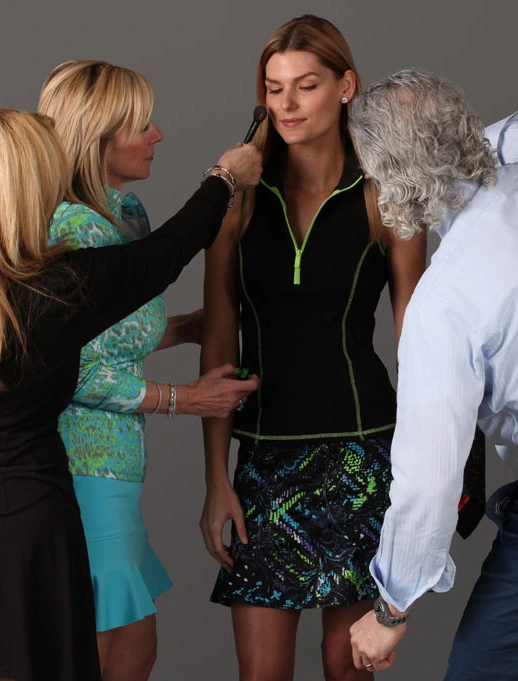
Our available makeup artists specialize in on-camera work — matte finishes that hold up under studio strobes and HD video, natural skin tones, and touch-ups between setups.
Great for corporate headshots, personal branding sessions, boudoir, and any shoot where the extra 45 minutes to one hour of prep is worth it on every frame.
Book the add-on when you reserve your session and relax while a professional Makeup Artist takes care of everything.
6 Reasons to have your makeup done by a Professional Makeup Artist
Some clients ask, "Should I hire a professional makeup artist?" The short answer is yes. When you're having professional photos taken, you want to love them. The goal for your headshot is to look confident, knowledgeable, and approachable — and makeup done right helps every one of those qualities land on camera.
Wearing makeup is about expressing yourself, accentuating your best features, and feeling beautiful so your confidence takes center stage. Most people feel better with a little makeup — they wear it to work and on date nights because they want to look their best and, more importantly, feel good about themselves. You want to feel especially comfortable in your skin when you're on camera, and hiring a professional is one of the easiest ways to get there.
1. Professional makeup artists know photography.
Makeup for photography is different from everyday makeup — slightly different products, a little extra coverage, and finishes that read well under strobes. A professional knows exactly what to use so you look radiant instead of washed out or overdone, and they understand how studio lighting brings out your best features.
2. You'll have a stress-free experience.
Photo shoots can be a little stressful — what to wear, what to bring, how to pose. Having someone whose only job is getting you ready is one thing you don't have to worry about.
3. You'll feel more confident — and more like yourself.
It's not about hiding behind a mask. Foundation can even out complexion, calm redness, and remove distractions so people see what you want them to see: your smile and your presence.
4. There is a difference in makeup applications.
You wouldn't wear the same makeup to a job interview as you would to a night out. For headshots we go natural — soft, complementary colors that keep the attention on you, not on the contouring or the eye shadow.
5. You'll look more polished and professional.
Your headshot represents you across LinkedIn, your website, and social media — hundreds or thousands of people will see it. You're your own brand; makeup helps you show up at your best.
6. It saves time in post-production.
Great makeup and hair on set means less retouching afterward, which keeps our turnaround times fast and your images looking natural instead of over-edited.
Prefer to do your own makeup?
We strongly recommend professional makeup, but you're welcome to do your own hair and makeup. Working with the artists we've partnered with for years helps create headshots that set your brand apart — and you walk away with a memorable experience, not just great images. If you'd rather DIY, the tips below will help.
Tips if you're doing your own makeup
Aim for a natural look. "Light" is fine as long as it's even — don't sacrifice uniform coverage to keep things light. Start with clean, well-moisturized skin and use primer where appropriate. Don't be afraid to use more setting powder than you would for daily wear.
Foundation
Match the color of your foundation to the natural color of your skin at the neck and chest — not darker. If you want a warmer or deeper tone, we can adjust that in editing. Liquid foundation works best; for headshots, oil-free or matte-finish formulas are most common. Avoid "sheer look" foundations that shine on camera, and skip powder or compact foundations for major coverage.
Lips
Go one notch darker than your best in-person look, shifted slightly toward a deeper red. A touch of lip gloss can make lips look fuller.
Eyes
Wax brows a couple of days in advance — reshaping in retouching costs more time than fixing them in real life. Fill brows in and make sure they read clearly in soft natural light. Black mascara works better than brown for most people on camera. For natural headshots (actor, corporate), keep eye makeup minimal; for styled work, take accents one notch darker or more vibrant. False lashes are appropriate for most work other than actor headshots.
Blush
One notch darker than your in-person best, applied in a few small, well-diffused passes — a wide first application, then progressively smaller ones. You can always add more; softening an overdone edge is much harder.
Powder
Use more than you'd expect. Fashion and beauty photography routinely relies on setting powder to reduce shine and keep skin matte — a professional will reapply every 10–20 minutes on set. Bring your own and expect to touch up. For party makeup, shimmer looks great; for photography, matte wins.
Oily skin
Translucent setting powder (like L'Oréal Bare Naturale mattifying mineral finish, kept in the studio) works well on lighter skin. For clean natural looks, a blotting sheet is often better than more powder — and we keep those in the studio too. Mattifying gel works well across all skin tones and is also available on site.
Hair (for everyone)
Use products that add shine, not matte finishes — matte hair looks dull and lifeless in photos. A shine spray (Biosilk is a favorite here) plus a light hold to tame frizz goes a long way.
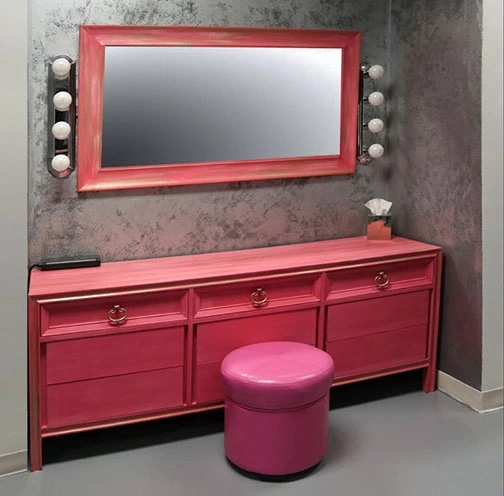
Yes, most people apply makeup every day — but the makeup you wear daily isn't the best choice for a shoot. A professional makeup artist uses products made for film and photography. If you'd like us to book a makeup artist for your session, let us know and we'll add an hour to your call time. Above you can see our makeup station, where you can get the best look for the investment in yourself and your image.